- Prevencia a liečba infekcií rán
- Bezpečné odstránenie baktérií, plesní a endotoxínov
- Účinný proti väčšine bežných rezistentných patogénov

Cutimed® Sorbact Pad®
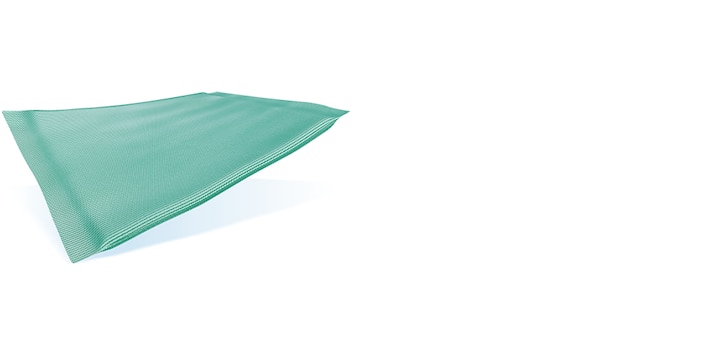
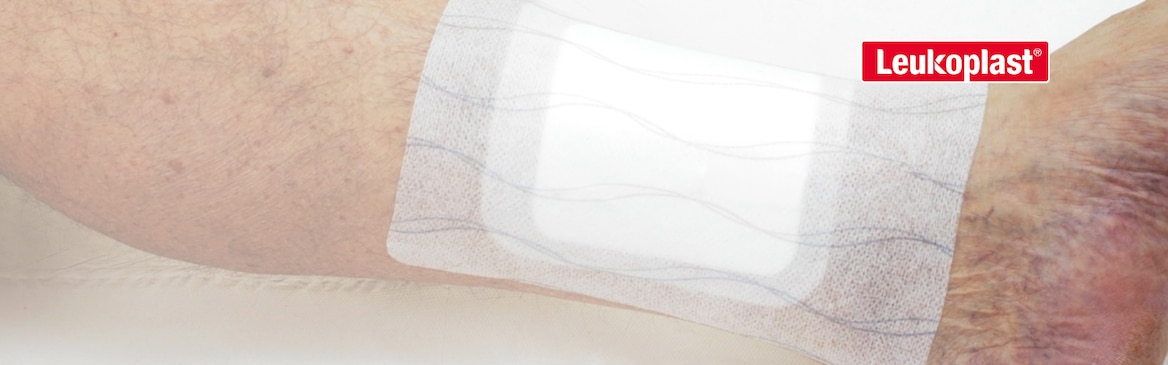
je krytie na rany, ktoré viaže baktérie a plesne, založené na technológii Sorbact®. Skladá sa z vrstvy prichádzajúcej do kontaktu s ranou, potiahnutej technológiou Sorbact® DACC™, v kombinácii s absorpčným jadrom, ktoré absorbuje a zadržiava exsudát.
Účel použitia
Indications: Cutimed Sorbact Pad is intended for use in the management of clean, contaminated, colonized or infected moderate to high exuding wounds, such as surgical wounds, traumatic wounds, pressure ulcers, diabetic foot ulcers and leg ulcers. It is intended to be used on superficial wounds.
Wear time: Should the clinical condition allow, the dressing can be left in place for up to 7 days.
Learn about the product and how to apply it
Získajte informácie o spôsobe pôsobenia produktu
Benefity produktu
Prevencia a liečba infekcií rán
Krytia s technológiou Sorbact znižujú biologickú záťaž a podporujú účinné hojenie rán bez známych kontraindikácií a s nízkym rizikom alergií1, 2, 3, 4, 5, 6.
Bezpečné odstránenie baktérií, plesní a endotoxínov
Krytia s technológiou Sorbact nevratne viažu a odstraňujú baktérie bez uvoľňovania účinných látok do rany5. Vývoj bakteriálnej alebo plesňovej rezistencie sa neočakáva.
Účinný proti väčšine bežných rezistentných patogénov

Testy in vitro ukazujú, že krytia na báze technológie Sorbact Technology sú schopné inhibovať rast 5 hlavných patogénov podľa WHO7.
Jednoduché používanie
Krytie, ktoré je jednoduché na použitie a pohodlné pre pacienta8.
Údaje o produkte
Povrchová
Infikovaná
Stredná až vysoká
How to use
1. Prepare the wound and surrounding skin according to local clinical practice.
2. Select an appropriate dressing size for the wound. The wound pad should overlap the wound margins by at least 2 cm. Do not cut the dressing.
3. Remove the dressing from the peel pouch using an aseptic technique.
4. Apply the dressing. Ensure that the green contact layer comes into direct contact with the complete wound surface to allow microorganisms to bind to the dressing.
5. Fixate with an elastic bandage or skin friendly tape.
6. The dressing change frequency depends on exudate levels and the overall condition of the wound and surrounding skin. Should the clinical condition allow, the dressing can be left in place for up to 7 days.
How to Remove
Should the dressing adhere to the wound, moisten the dressing to assist removal and to avoid disruption of the healing wound.
2. Select an appropriate dressing size for the wound. The wound pad should overlap the wound margins by at least 2 cm. Do not cut the dressing.
3. Remove the dressing from the peel pouch using an aseptic technique.
4. Apply the dressing. Ensure that the green contact layer comes into direct contact with the complete wound surface to allow microorganisms to bind to the dressing.
5. Fixate with an elastic bandage or skin friendly tape.
6. The dressing change frequency depends on exudate levels and the overall condition of the wound and surrounding skin. Should the clinical condition allow, the dressing can be left in place for up to 7 days.
How to Remove
Should the dressing adhere to the wound, moisten the dressing to assist removal and to avoid disruption of the healing wound.
Špecifikácia produktu
|
Produkt
|
Kód produktu
|
Rozmery
|
V balení (ks)
|
Počet ks v balení
|
V kartóne (ks)
|
V kartóne (bal)
|
Farba
|
Sterilné
|
Detaily
|
|---|---|---|---|---|---|---|---|---|---|
| Cutimed® Sorbact Pad® | 7216227 | 10 cm x 10 cm | 5 | BOX OF 5 POUCHES OF 1 | 80 | 16 | Zelená | Yes | Sterile |
| Cutimed® Sorbact Pad® | 7216314 | 10 cm x 20 cm | 20 | BOX OF 20 POUCHES OF 1 | 40 | 2 | Zelená | Yes | Sterile |
Odborné referencie
1 Bua N et al. Dialkylcarbamoyl Chloride Dressings in the Prevention of Surgical Site Infections after Nonimplant Vascular Surgery. Ann Vasc Surg. 2017;44:387-392.
2 Stanirowski P et al. Randomized controlled trial evaluating dialkylcarbamoyl chloride impregnated dressings for the prevention of surgical site infections in adult women undergoing cesarean section. Surg Infect (Larchmt). 2016;17:427-435.
3 Kammerlander G et al. An investigation of Cutimed Sorbact as an antimicrobial alternative in wound management. Wounds UK. 2008;4:10-18.
4 Mosti G et al. Comparative study of two antimicrobial dressings in infected leg ulcers: a pilot study. J Wound Care. 2015;24:121-122, 124-127.
5 Husmark J et al. Antimicrobial effects of bacterial binding to a dialkylcarbamoyl chloride-coated wound dressing: an in vitro study. J Wound Care. 2022;31:560-570.
6 Gentili V et al. Panbacterial real-time PCR to evaluate bacterial burden in chronic wounds treated with Cutimed Sorbact. Eur J Clin Microbiol Infect Dis. 2012;31:1523-1529.
7 Husmark J et al. Antimicrobial effect of a DACC-coated bacteria-binding wound dressing against WHO pathogens. EWMA. November 18-19, 2020, virtual conference (EP006).
8 Haycocks S et al. Use of a DACC-coated antimicrobial dressing in people with diabetes and a history of foot ulceration. Wounds UK. 2011;7:108-114.